
The Human System Behind Performance
I AM Leadership™
The most successful leaders eventually discover that achievement alone does not explain why some people sustain clarity, influence, creativity, and strategic precision over decades, while others plateau despite equal intelligence, ambition, or opportunity.
The differentiator is no longer information
It is the quality of the human system behind the performance.
Chronic Pressure

Constant urgency narrows perception, increases reactivity, and reduces clarity under pressure.
Diminishing Fulfillment
Achievement alone rarely creates lasting satisfaction when internal stress patterns remain unresolved.
Leadership Fatigue
High performance environments often normalize overactivation, mental strain, and emotional exhaustion.
- Why do some leaders consistently make clear decisions under pressure while others become reactive?
- Why do certain individuals naturally command trust, stability, and influence in complex environments?
- Why do the same patterns of stress, conflict, overthinking, self-pressure, communication breakdown continue, even when experience, intelligence and external success increases?
For more than five decades, Gurudev Shri Amritji has explored these questions and more through an uncommon lens that integrates awareness, perception, nervous system regulation, emotional conditioning, human behavior, and sustainable performance. His teachings focus on the internal factors that shape leadership performance, developing the clarity, resilience, adaptability, and decision-making capacity required for sustained success across any industry or institution.
Leaders who engage this work often begin to experience:
- Greater clarity and precision in high pressure decision-making
- Increased resilience and recovery while under sustained demand
- Reduced emotional reactivity in relationships
- Stronger executive presence and interpersonal influence
- More consistent access to flow, creativity and strategic insight
- Greater capacity to navigate complexity without internal fragmentation
- Improved communication, listening, and conflict navigation
- Higher levels of focus without reduced mental strain
- A more sustainable relationship with ambition, performance, and success
- Increased self-awareness around the unconscious patterns driving behavior and perception
Stress Impacts More Than Productivity
Stress affects more than energy or mood. It shapes perception, communication, decision-making, creativity, and leadership itself. Discover practical insights rooted in awareness, nervous system regulation, and human performance.
- Clearer Decision-Making
- Better Communication
- Reduced Reactivity
- Greater Emotional Intelligence
- Improved Strategic Thinking
- Increased Creativity
- Stronger Team Trust
- Sustainable Leadership Performance
The Internal State Shapes External Results
The quality of leadership depends on more than skill, intelligence, or strategy alone. Stress accumulation, nervous system regulation, emotional conditioning, and attention patterns all influence how leaders think, communicate, and perform under pressure.
Ancient awareness-based practices—including breathwork, meditation, mindfulness, and yoga—offer practical tools that support clarity, resilience, adaptability, and sustained human performance in demanding environments.
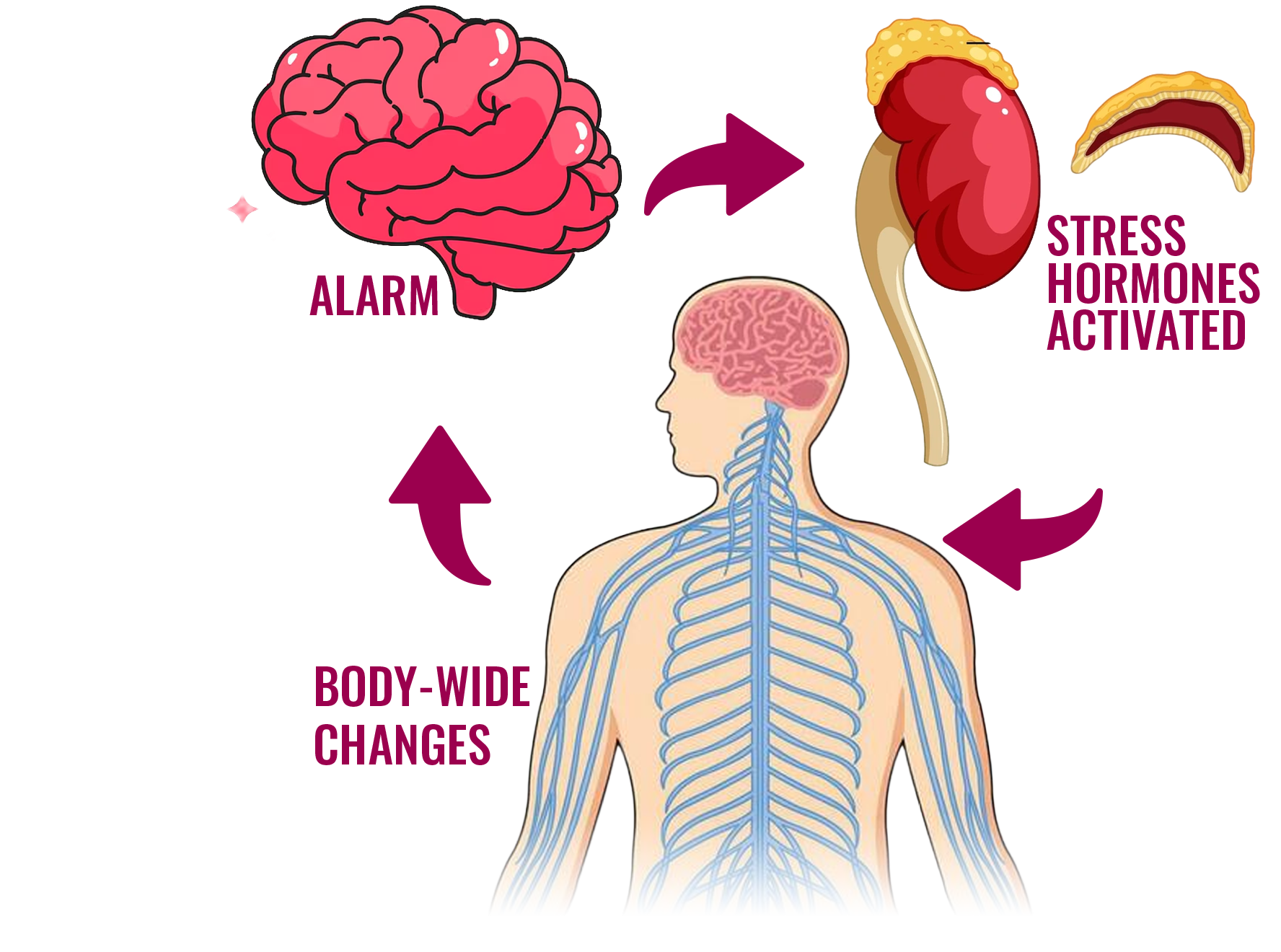
Stress Distorts Perception
Most people think of stress primarily in physical or emotional terms. They associate it with fatigue, tension, irritability…. (continue)
The Diminishing Return of Success
Most ambitious individuals begin their careers believing that greater success will eventually create greater satisfaction, conf…. (continue)
The Hidden Cost of Achievement
High performers are often taught to believe that greater achievement naturally leads to greater
fulfillment, stability, and …. (continue)
The Human System Behind Top Performance
At higher levels of leadership, most individuals already possess strong technical knowledge, experience, and strategic capability…. (continue)
The Leadership Advantage of Presence
In every organization, there are individuals whose presence changes the quality of the environment the moment they enter a room. During uncertainty, people look to them. During conflict, they remain steady…. (continue)
Why High Performers Repeat the Same Patterns
One of the most frustrating experiences for high performers is recognizing the same patterns continuing to repeat despite…. (continue)
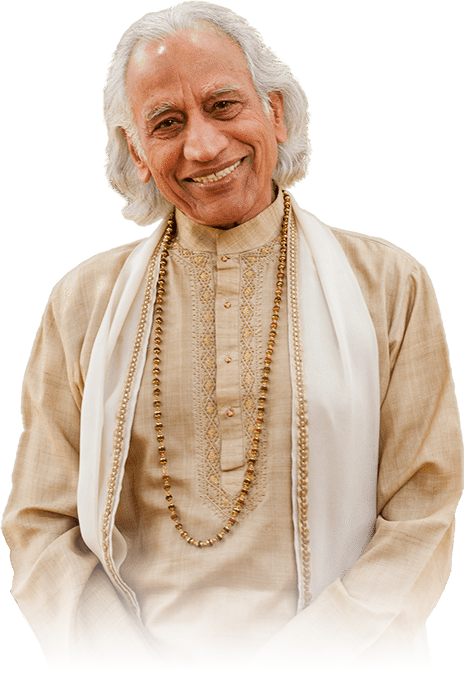
Gurudev Shri Amritji
Gurudev Shri Amritji’s leadership perspective has been shaped through an extraordinary arc of entrepreneurship, organizational growth, reinvention, and long-term global influence.
Arriving in America from rural India in 1960 with very limited financial resources, he built a successful career as an artist before making the unconventional decision to leave it behind and dedicate himself fully to yoga. At a time when yoga was virtually unknown in the West, he could not have anticipated that he would become one of the most influential pioneers in bringing and popularizing yoga to mainstream America.
What began as a small grassroots community in the 1970’s eventually grew into one of the most influential wellness organizations in North America. Through his leadership, vision, and charismatic ability to teach and foster interpersonal development, that early community expanded into large residential programs, international trainings, and ultimately the Kripalu Center for Yoga and Health, recognized at the time as the largest yoga center in the country and one of the leading wellness destinations in America.
After leaving Kripalu in 1994, Gurudev walked away from everything he had spent decades building and took time to reflect deeply on the nature of success, leadership, identity, and human behavior. Through that process, he recognized even more deeply that the forces responsible for growth, influence, resilience, and transformation were far greater than the roles, identity, or external success through which they had been expressed. From that understanding, he built the Amrit Yoga Institute and developed the I AM methods, which continue to be taught internationally today.
What makes his work especially relevant to leadership is that his understanding was forged through direct experience building organizations, leading large communities, sustaining long term growth, rebuilding after major transition, and repeatedly creating success from vision rather than circumstance.
Join Our Leadership & Wellness Community
Receive insights on stress, performance, awareness, resilience, and sustainable leadership delivered directly to your inbox.